At Olivea, the plate does not begin in the kitchen. It begins outside.
And it almost never belongs to us.
The garden edits first. The sea corrects. The mountain limits. We arrive at the end.
This is not metaphor. It is method.
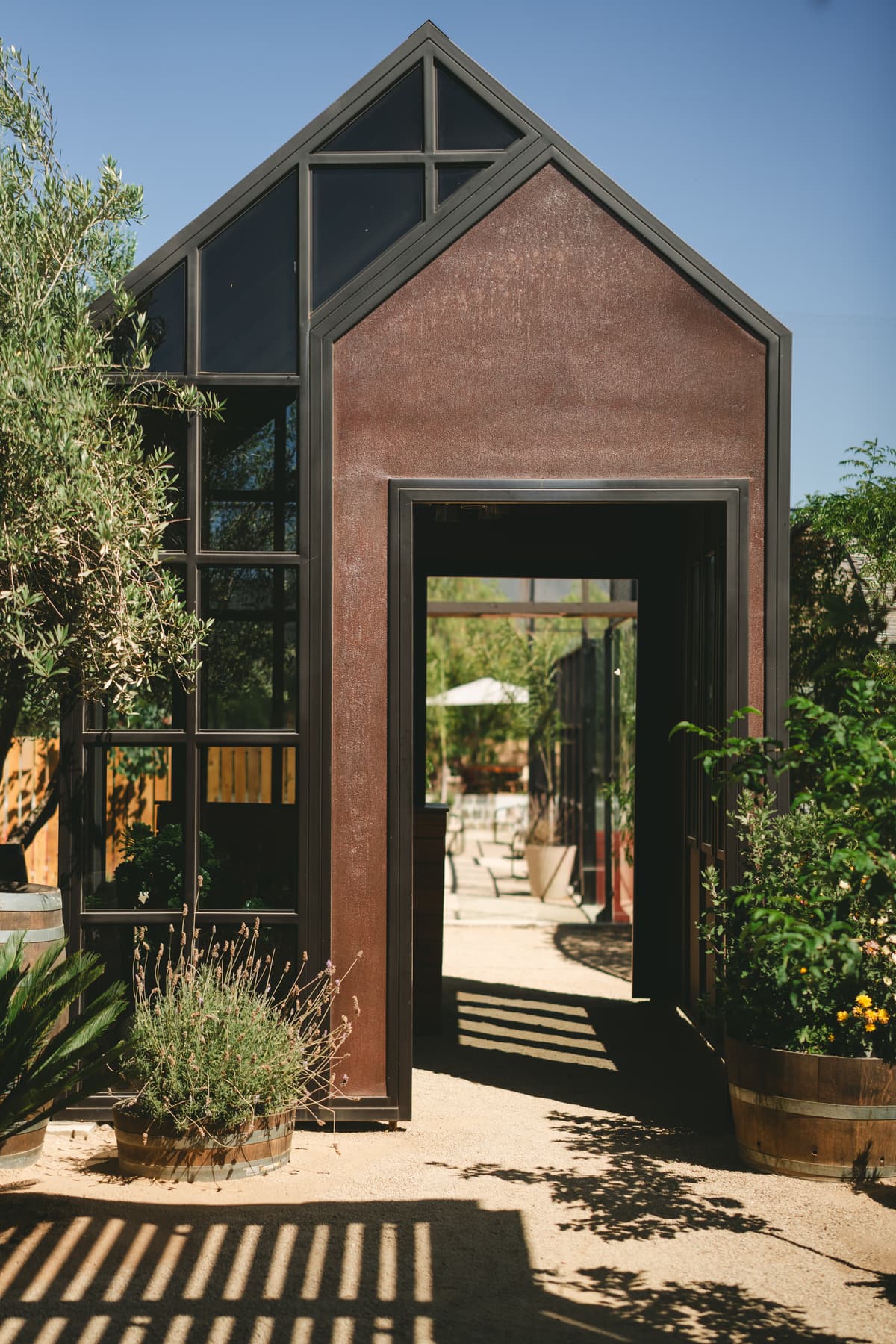
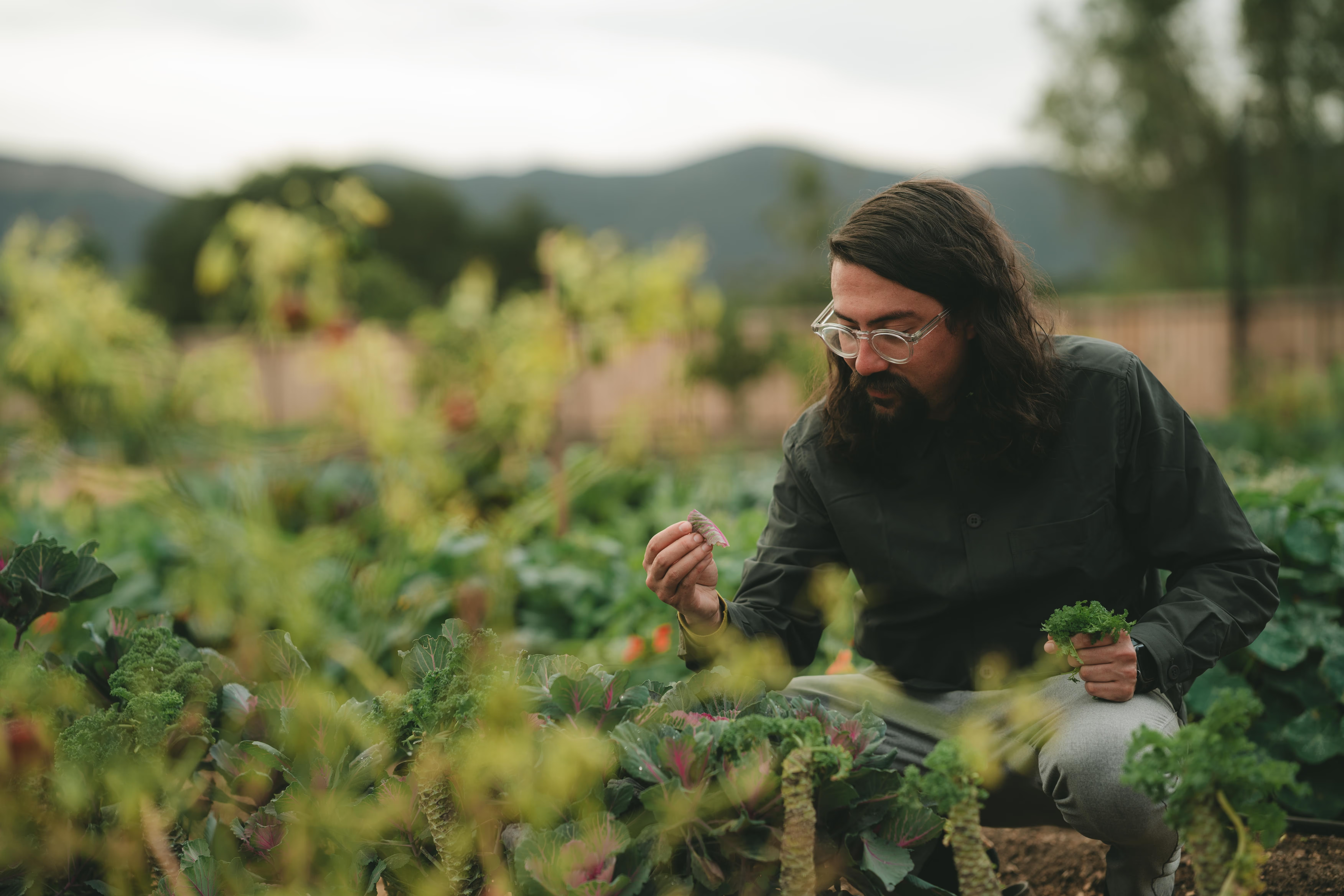
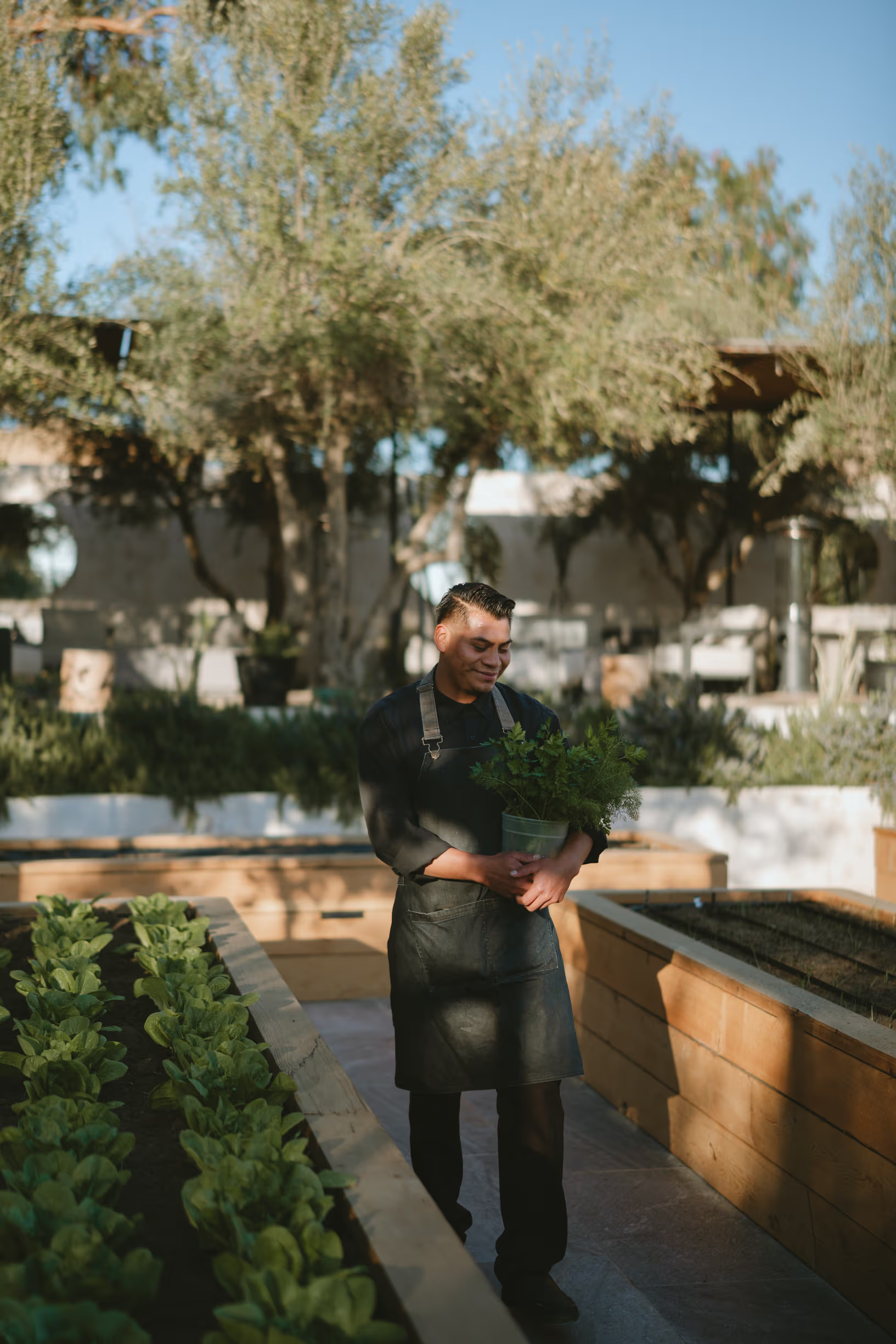
The garden is not spontaneous. It is designed, measured, decided. Cycles are planned. Failures are observed. Adjustments are constant.
But never fully controlled.
A menu here does not come from an idea. It comes from what survived. From what didn't arrive. From what changed without notice.
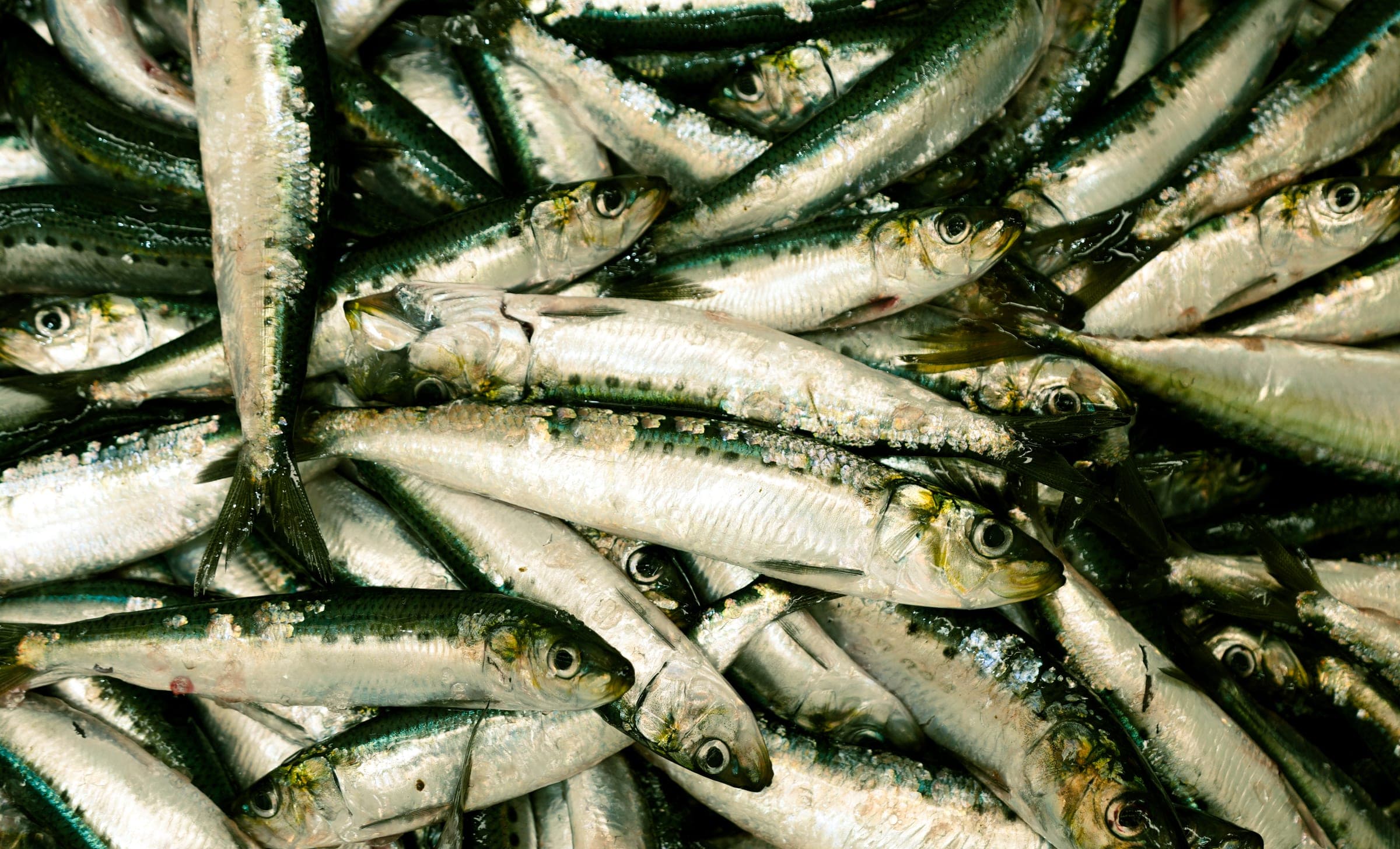
A frost that leaves the chard and kills the borage. A fisherman in Ensenada bringing less sea bass and more wild mussels. Walking the hill and deciding whether white sage should be touched at all. And sometimes, something quieter: recognizing that there were already ways of doing things before us — and choosing not to interrupt them.
Valle de Guadalupe is not neutral. Hard sun. Cold nights. Sea wind. Scarce water.
Most cooking tries to correct the climate. We refuse to.
That decision defines everything that follows.
That is why we stopped writing menus as fixed lists.
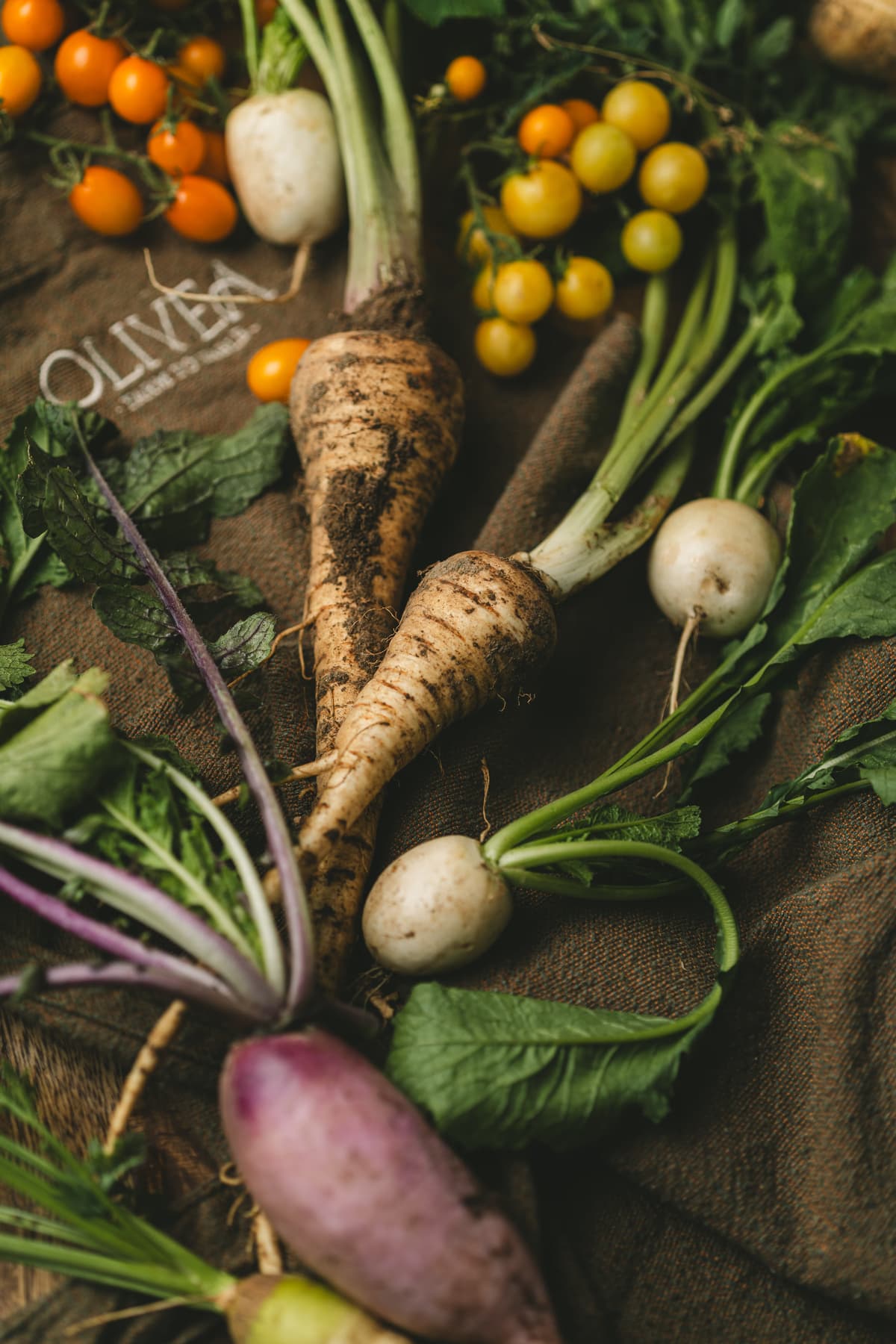
We are not publishing a menu. We are publishing a garden.
The state of the garden — what is alive today, what is about to be harvested, what has already passed — can be seen in real time. Before sitting down, there is already context. What arrives at the table is not decided on paper. It is decided there.
Then the kitchen enters.
To translate, not impose. To adjust, not decorate.
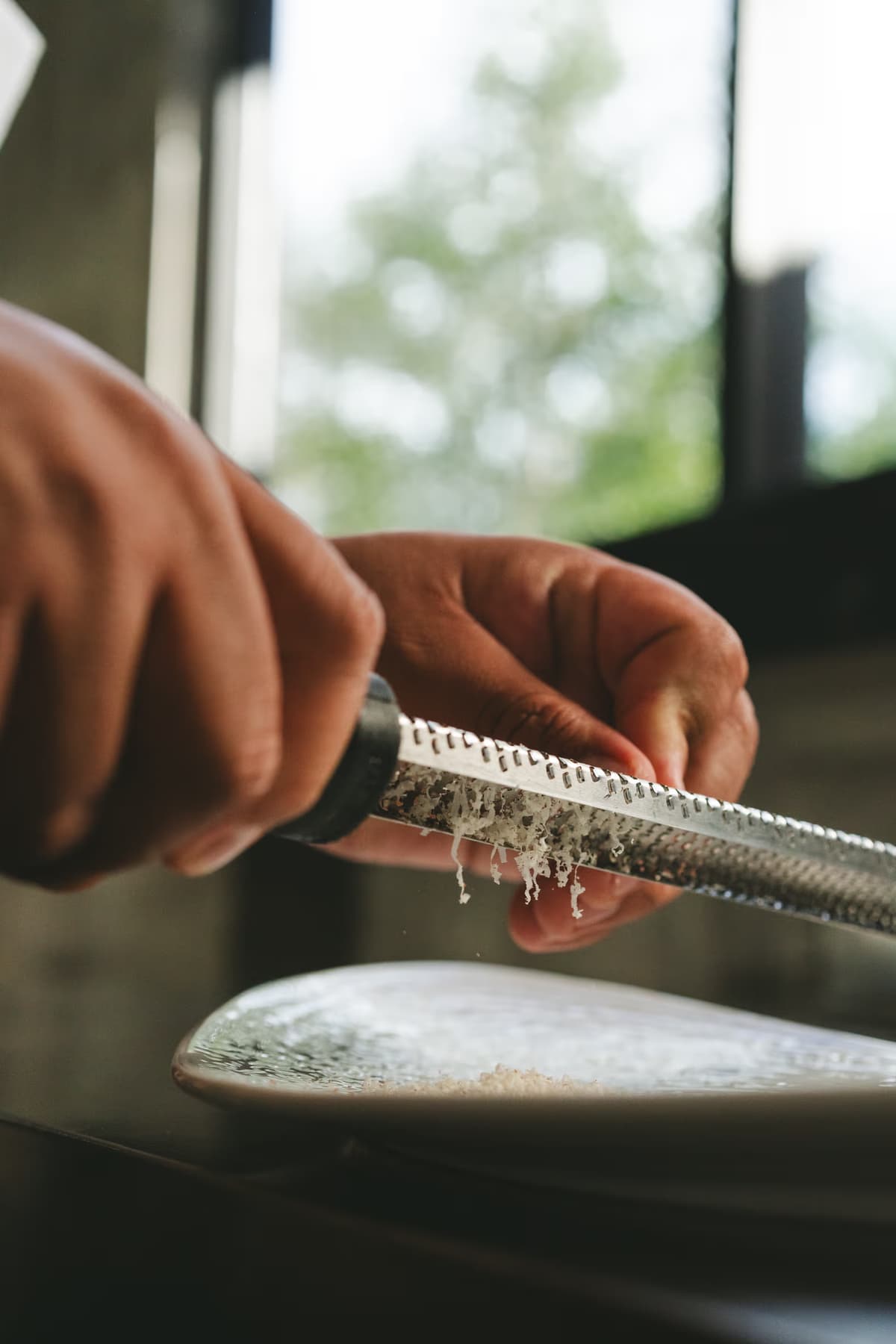
Sometimes it takes the form of a pasta-less mushroom carbonara. Or a green curry that behaves like a garden mole. Or wild mussels holding sea and land in the same gesture.
Not ideas. Responses.
This second menu is not a conclusion. It is a point in motion. It reflects what the land allowed — and what it refused.
Near the compost, a fruit grew without being planted.